Understanding profitable futures trading bots for 2026
A profitable futures trading bot operates by executing pre-programmed buy and sell orders across derivatives markets, automating your trading strategy without requiring you to watch charts constantly. These bots connect via API keys to exchanges, allowing algorithmic scalping or swing trading based on your defined parameters. For traders across Canada, the EU, the UAE, and elsewhere, success depends on rigorous risk controls and selecting the right bot technology.
Automating cryptocurrency trading through a bot saves time, which is useful for busy professionals across global finance hubs like Dubai or Frankfurt. However, futures trading involves significant leverage and inherent risks that demand an expert understanding of bot mechanics. This guide details what makes a system profitable, focusing on technical setup, risk mitigation, and the operational realities for 2026.
- Function: A profitable futures trading bot executes trades autonomously using algorithms, ideal for low-supervision execution across crypto derivatives.
- Core Risk: Leverage amplifies gains but equally magnifies losses; understanding your risk controls is paramount.
- Setup Focus: Look for bots that support diverse strategies (scalping, swing) and integrate securely with major exchanges.
- Best Practice: Always begin testing on a paper trading environment or small capital to validate profitability assumptions.
What is the technical setup and function of a profitable futures trading bot?
A profitable futures trading bot uses an Application Programming Interface, or API, to interface directly with a centralized exchange like Binance or Bittrex. The bot itself is essentially complex software programmed with a specific trading strategy, the core logic that dictates when, how much, and in what direction to trade. It’s crucial to distinguish between a simple automated order executor and a sophisticated bot capable of market analysis.
When considering these systems, you must understand the mechanics of futures trading itself. Futures contracts allow you to speculate on the future price of an asset without owning the asset outright, which introduces leverage. Leverage is the mechanism that lets you control a large position size with a smaller amount of capital, which magnifies returns but also amplifies downside risk. For example, if you’re operating in the European Union or dealing with markets touching Kazakhstan, understanding margin requirements is step one.
Most effective platforms offer configurable bot types. A scalping bot executes dozens of small trades over minutes, profiting from minor price fluctuations, while a swing trading bot holds positions for days or weeks, capturing larger, slower movements. Your selection dictates the bot’s necessary analysis depth. When you review providers, check their API documentation; reliable connections are vital, similar to how one connects to Binance’s endpoints Binance API docs.
The most reliable approach here is usually simple: always decouple the bot’s execution function from your capital control. Ensure that the platform only requires API keys for trade execution and never requests custodial access to your primary wallet funds.
How does leverage affect risk control when using a crypto futures bot?
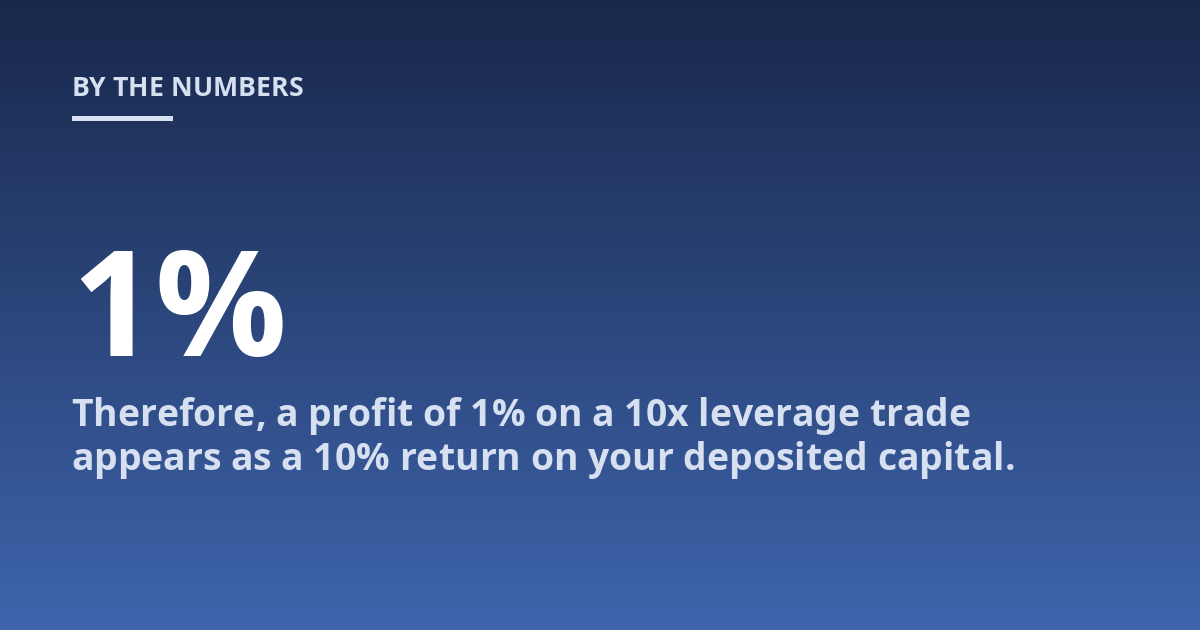
Leverage is the double-edged sword of automated futures trading. It lets you amplify your buying or selling power, allowing you to take larger positions than your initial capital would permit. Therefore, a profit of 1% on a 10x leverage trade appears as a 10% return on your deposited capital. Conversely, a small adverse market move can liquidate your entire margin quickly. This interaction between leverage and risk management is the single most important consideration when evaluating any profitable futures trading bot.
Risk control in this context means implementing stop-loss and take-profit orders within the bot’s logic, not just relying on manual intervention. Smart bots allow you to set these parameters relative to entry price, volatility measures, or fixed percentage losses. For traders operating in regions with fluctuating regulations, like parts of the UAE or Israel, understanding counterparty risk alongside market risk is essential. You need controls that protect against rapid, unpredictable market swings.
When comparing platforms, look for adjustable margin mode settings. Some bots might default to highly aggressive margin usage. You should prioritize those that allow you to model risk based on your available capital reserves. Consider the difference between platform-level risk tools and bot-level risk tools; the bot must govern its own risk parameters independently. due diligence on the platform itself, checking regulatory statuses relevant to your jurisdiction, such as those provided by the ESMA ESMA, MiCA, adds necessary context.
What strategies should I choose: scalping, swing, or grid for automation?
Selecting the right trading style for your automated bot depends entirely on your capital size, time availability, and the asset class volatility you expect over the next year. There is no single universal strategy; the best fit varies greatly between assets and market regimes. This decision frames your entire bot setup.
Scalping involves high frequency, low profit-per-trade goals. This type of bot performs best in markets with high liquidity and predictable short-term directional momentum. It requires incredibly low trading commissions, making platforms offering low-fee configurations attractive. For a trader in Dubai, where liquidity in major pairs remains high, scalping can be viable if commission costs are minimal.
Swing trading is a medium-term approach. The bot identifies major structural support or resistance levels and holds positions for days or weeks to capture broader market trends. This bot style requires models sophisticated enough to filter out excessive noise and focus on macro market cycles. If you prefer a less twitchy, more methodical approach, this might be better for you.
Grid bots operate differently; they establish a network of buy and sell orders at fixed price intervals both above and below a central price. They are less directional and function more like a mean-reversion mechanism. They are excellent for range-bound markets, which can occur in any major economy, from Canada to Ukraine. To help narrow this down, examining best crypto trading bots compared: scalping, swing and grid strategies might provide clearer technical comparisons.
How can I ensure my chosen bot is secure and reliable in 2026?
Security for a profitable futures trading bot involves multiple layers: exchange integration, bot software security, and personal operational protocol. Since bots connect to live financial accounts, bot security is paramount, regardless of whether you are trading crypto in Israel or executing trades in Europe. You must assume the API connection is a potential attack vector if protocols aren’t followed.
Firstly, never give a bot excessive permissions. When you connect through API keys, restrict the key’s permissions solely to trading actions (read/write trade data) and explicitly deny withdrawal permissions. This containment measure limits potential fallout if the bot or the connection point is compromised. Secondly, the platform providing the bot must demonstrate adherence to modern security standards. Consider the operational overhead of the platform; a provider that seems amateurish might overlook robust security testing.
review the local regulatory landscape. For instance, in many jurisdictions, financial data handling is highly scrutinized. Understanding the local requirements regarding digital asset custody or operation adds another layer of necessary due diligence for your operational setup. You should also review the service provider’s commitment to keeping keys under your control, as demonstrated by platforms like B-world, which maintains user fund custody separation. For more general guidance on managing your capital investment safely, checking profitable spot trading bot: how to choose one and what returns are realistic can frame the necessary mindset shift.
What are the critical considerations when buying a bot subscription?
Buying a profitable futures trading bot is a commitment, requiring you to evaluate the service structure beyond just the advertised strategy. You aren’t just paying for algorithms; you’re paying for uptime, low transaction costs, and continuous development. The initial subscription cost must be weighed against the potential savings derived from low trading commissions.
Commission structures are complex. Many platforms advertise low fees, but they fail to account for funding rates, withdrawal fees, or differing maker/taker rates across various connected exchanges. When you assess pricing, factor in the total expected transaction cost per unit of profit. This detailed accounting helps reveal the true profitability margin.
The trial period is your single best resource. A 14-day free trial allows you to stress-test the bot against real-time volatility and determine if its performance matches its theoretical models. If you are assessing how to earn on cryptocurrency with an automated bot in 2026, the trial phase is when you gather empirical evidence, not marketing fluff. When researching these tools, knowing the specific exchange integrations matters. For instance, verifying API compatibility with Binance and Bittrex shows operational depth. You can investigate the general process of how to earn on cryptocurrency with automated bot strategies through guides like how to earn on cryptocurrency with an automated bot in 2026.
FAQ about automated crypto futures bots
What is important to know about profitable futures trading bot: leverage, risk controls and setup in 2026?
The key points involve defining your risk appetite, understanding the inherent risks associated with leverage, and ensuring the bot’s setup allows for precise, adjustable stop-loss parameters. A definitive recommendation depends on a thorough review of your capital structure and trading goals. Always prioritize understanding the risk profile before allowing the bot to trade with live funds.
When should a profitable futures trading bot be discussed with a professional?
A consultation is useful when you experience emotional attachment to potential gains, feel uncertainty about managing initial losses, or suspect your trading plan isn’t robust enough. Early assessment helps prevent emotional decision-making from leading to larger financial stress. View the discussion as reviewing your operational blueprint, not seeking financial advice.
How should someone prepare for a consultation about profitable futures trading bot: leverage, risk controls and setup in 2026?
Prepare by documenting your ideal trading scenario, noting which strategies (scalping vs. swing) you favor, and listing the maximum drawdown you are willing to accept. Bring documentation regarding your current trading understanding and any specific questions regarding margin calculations or local jurisdictional requirements, such as those in the EU.
What risks or limits can profitable futures trading bot: leverage, risk controls and setup in 2026 have?
Risks include rapid liquidation due to unexpected high leverage exposure and dependence on the bot’s programmed strategy in changing market regimes. Limits involve the technical scope of the bot, it only knows what it’s programmed to know. Always treat automated trading as a tool, not a guaranteed income source, and understand that market conditions change constantly.
What are the best crypto trading bots compared: scalping, swing and grid strategies?
The best bot matches your market conviction. Scalping suits high-liquidity, noisy pairs; swing trading needs stable macro trends; and grid bots perform when the price bounces between clear upper and lower boundaries. Most successful setups combine these insights into a multi-strategy approach.
Implementing your profitable futures trading bot strategy
Implementing a profitable futures trading bot requires methodical execution that moves from concept to deployment. First, solidify your strategy using backtesting on historical data; this proves the logic, not the current market sentiment. Next, connect the bot securely using API keys, remembering to limit permissions strictly to trading functions. You should validate the integration using a small, low-risk allocation of capital. Finally, monitor performance during the first few live cycles, making micro-adjustments to stop-loss triggers as needed. This iterative refinement process is what separates theory from consistent, automated operation for traders across various global markets.
Ultimately, while an automated system streamlines execution, your role remains that of the strategic architect. Treat the bot as an extremely fast, emotionless junior analyst that requires constant oversight and refinement. Focus your learning on mastering risk quantification over chasing the next guaranteed profitability metric. For a closer look at optimizing your setup, review the specifics of buy crypto trading bot subscription: plans, pricing and the 14-day free trial.