

XRP
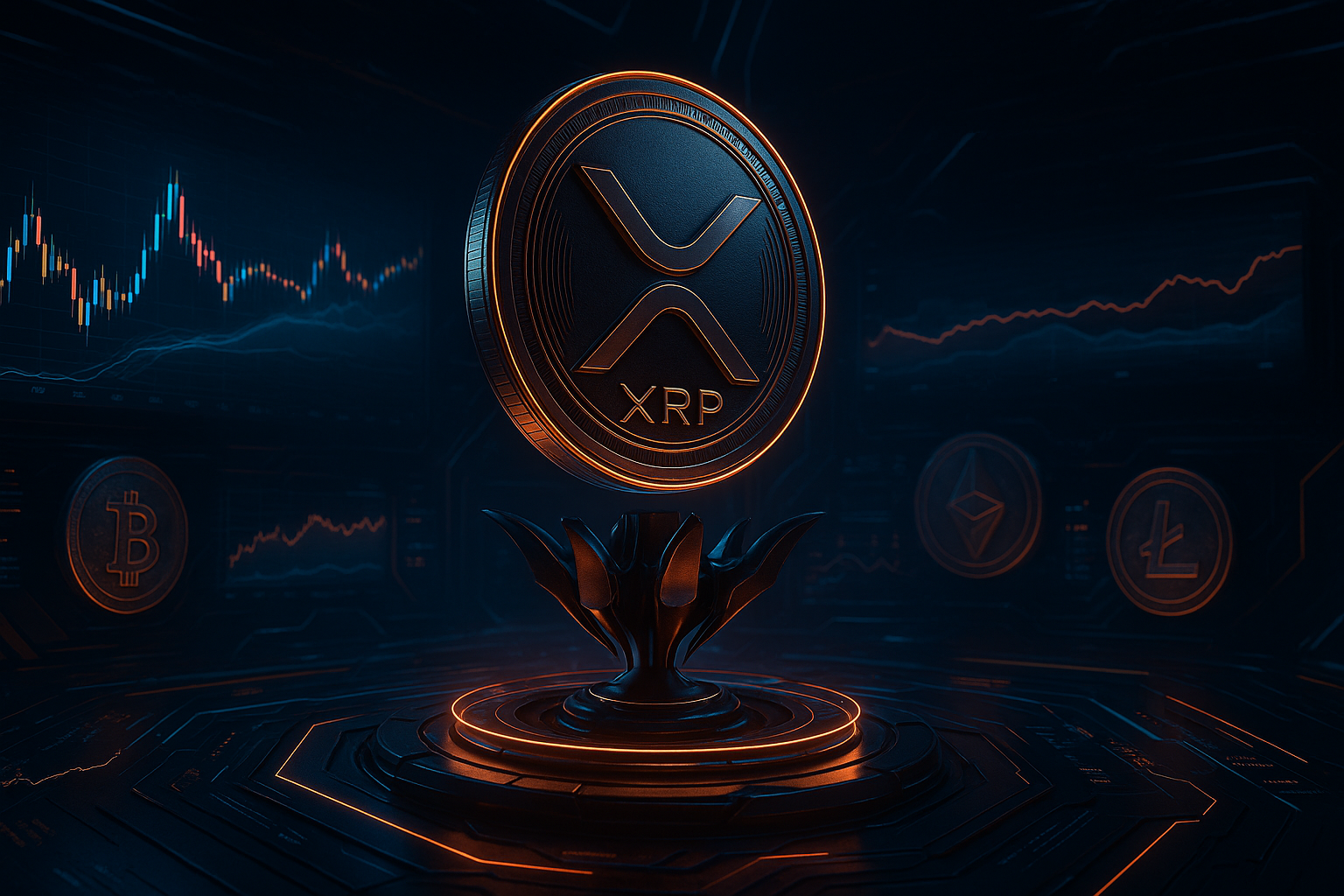
Ripple Labs built XRP for fast, low-cost international payments. It isn’t a speculative asset or a mining reward. Instead, the network uses it as bridge currency. This setup lets banks and payment systems move money across borders without friction.
XRP’s transaction speed is its defining feature. Transfers settle in 3 to 5 seconds on average. Compare that to traditional SWIFT payments, which take days. Those low fees make it attractive for large enterprises and international corporations.
What Backs XRP
XRP isn’t a stablecoin. It has no peg to fiat currencies or physical assets. Its value comes from utility within RippleNet. This global payment network connects banks and financial institutions worldwide. Real-world demand drives the price. XRP functions as a bridge for instant settlement.
XRP uses the Ripple Protocol Consensus Algorithm (RPCA) instead of Bitcoin’s Proof-of-Work. This removes mining from the equation. The network runs faster, scales well, and uses less energy. There is a fixed supply cap too. That stops runaway inflation.
Advantages of XRP
-
Speed. Transactions settle within seconds.
-
Low fees. Especially beneficial for cross-border payments.
-
No mining required. Energy-efficient and predictable operation.
-
Institutional support. Ripple partners with hundreds of banks worldwide.
Outlook and Future Potential
RippleNet’s adoption in traditional finance will likely shape XRP’s future. Many banks and payment systems already use Ripple’s protocol to facilitate international transfers. As the network expands, demand for XRP as a bridge asset is expected to grow.
Ripple’s regulatory standing in the United States matters too. A court recently ruled that XRP is not a security on secondary markets. That decision ended a long legal battle with the SEC and boosted investor confidence.
XRP could play a pivotal role in global settlements over the long term. As governments and banks transition to digital financial infrastructure, it has a strong chance of becoming a core instrument for international payments.
CBDcs rising may further enhance XRP’s relevance. Many nations are exploring state-backed digital currencies while Ripple provides technology to support cross-border interoperability. XRP’s role as a connector between digital economies will become even more significant if Ripple’s infrastructure is adopted.
The XRP ecosystem continues to evolve. Wallets, gateways, and exchange integrations are emerging steadily. These moves take utility beyond institutional finance. Individual users gain liquidity and accessibility.
XRP has a solid tech base, institutional backing, and global recognition. It remains one of the few crypto assets with genuine long-term utility. That makes it more than just speculation. It sits inside the infrastructure reshaping how money moves around the world.
Category news: Assets (BTC / ETH / Altcoins / Commodities / Indices)
-
DOT
DOT is the native token of the Polkadot ecosystem. This next-generation blockchain unites multiple independent networks into a single decentralised infrastructure. Traditional cryptocurrencies operate within a single chain. Polkadot lets those different networks interact, exchange data and resources, without sacrificing security or speed. DOT underpins the operation and long-term development. Polkadot launched in 2020 when […]
-

DOGE
Dogecoin, or simply DOGE, is one of the most recognizable cryptocurrencies born out of internet culture. It was originally created as a joke – a parody of the hype surrounding Bitcoin at the time. Yet over the years, the coin evolved into a full-fledged digital asset supported by a large and highly engaged community. Its […]
-
COMP
COMP is the native token of the Compound protocol – one of the core services in the DeFi ecosystem operating on the Ethereum blockchain. The core function of COMP is protocol governance. Holding COMP tokens grants participants voting rights, the ability to submit proposals, change system parameters, and steer the project’s strategy. This means the […]
-
ADA
ADA is the native token of the Cardano blockchain, a network designed as a research-driven platform for developing decentralized applications and smart contracts. The project stands out from others by relying on rigorous academic studies, formal verification methods, and a multi-layered architecture. The ADA token acts as a medium of exchange and serves as a […]
Latest news
-

Buy a Binance trading bot: pricing, activation and API setup
A Binance trading bot automates cryptocurrency trades by connecting to your exchange account through API keys. B-world offers AI-driven scalping and swing bots for $99 per month…
-

How to set up a trading bot on Binance step by step
To set up a trading bot on Binance, you need to generate restricted API keys on the exchange, connect them to an external automation platform, select a spot or futures strategy,…
-

Crypto trading for beginners automated bot setup in 2026
Crypto trading for beginners automated bot software executes buy and sell orders on centralized exchanges using predefined rules. You connect the platform to an exchange like Bi…
-

Spot vs futures trading bot: which suits your capital
A spot vs futures trading bot comparison comes down to risk tolerance and capital size. Spot bots buy and sell actual assets without leverage, limiting losses to the invested am…