

ETH Trading Bot Pricing: Plan Comparison for Traders

ETH Trading Bot Pricing: Plan Comparison
ETH trading bot pricing typically ranges from free tiers with limited features to $99 per month for full access. Most platforms charge a flat monthly subscription rather than taking a percentage of your profits. When comparing plans, look at the number of active bots allowed, supported exchanges, and whether automated ETH futures trading is included in the base cost or locked behind higher tiers.
Retail traders across Canada, Ukraine, the European Union, Israel, Dubai, and Kazakhstan face the same problem: Ethereum moves fast, and manual execution misses entries during sleep or work hours. A bot does not fix bad strategy. It fixes timing. The real decision is how much you pay for that automation and what constraints the subscription places on your capital. Cheap plans often cap concurrent bots or restrict order frequency, which defeats the purpose during high volatility. Expensive plans sometimes bundle features you will never use. This guide breaks down what each pricing tier actually delivers so you can match a plan to your specific trading volume and risk tolerance.
- Flat monthly subscriptions are standard, usually between $15 and $99.
- Free tiers limit grid levels and concurrent bot instances.
- API key integration means the platform never holds your funds.
- Always calculate exchange fees alongside the bot subscription cost.
- How much does an ETH bot subscription cost?
- What separates basic plans from premium tiers?
- How do spot and futures bots affect total costs?
- Exchange API integration and custody risks
- Regulatory context for traders in target regions
- Evaluating B-World for automated Ethereum strategies
- FAQ about ETH trading bot pricing
How much does ETH trading bot pricing actually cost per month?
ETH trading tool pricing structures generally fall into three categories: free limited tiers, mid-range plans around $49 per month, and premium subscriptions near $99 per month. Free versions typically allow one active session and restrict complex automation setups to fewer than ten levels. Mid-tier plans unlock multiple concurrent strategies and higher trade frequencies. Premium tiers, such as the B-World subscription at $99 per month, include AI-driven market scans for scalping and trend-following strategies along with a 14-day free trial. You must also factor in exchange maker and taker fees, which apply regardless of your software subscription.
The subscription fee is just the baseline. If your exchange charges a standard fee per trade, running a high-frequency scalping bot multiplies those costs rapidly. Some platforms offer low-fee bot configuration to minimize this drag on your margins.
A flat monthly rate is easier to forecast than profit-sharing models. Profit-sharing sounds appealing until a strong trend generates large gains and the platform takes a significant cut. Flat pricing keeps your overhead predictable.
| Plan Tier | Typical Monthly Cost | Concurrent Bots | Futures Access |
|---|---|---|---|
| Free | $0 | 1 | No |
| Mid-tier | $49 | 3 to 5 | Sometimes |
| Premium (B-World) | $99 | Unlimited | Yes |
Check if the provider bills in USD or local currency. For traders in Kazakhstan or Ukraine, exchange rate fluctuations can alter the effective cost of a dollar-denominated crypto bot subscription for altcoins from month to month.
What features separate basic plans from premium tiers?
The gap between basic and premium bot plans comes down to concurrent trading limits, strategy complexity, and exchange support. Basic plans restrict you to signals only or semi-automatic modes on supported exchanges for ETH with manual confirmation. Premium tiers provide AI market analysis, dynamic order types (market and limit), and support for both spot markets via Binance, OKX, Bitget, and BingX. Advanced plans also integrate with multiple centralized exchanges like Binance and OKX simultaneously through official APIs, keeping funds on your own account. When evaluating ETH trading bot pricing, verify whether the plan includes risk controls such as stop-loss and trailing stops, real-time push or Telegram alerts, and trade history analytics for PnL and win rate assessment.
Grid spacing matters. A basic plan might let you set five price levels. A premium setup allows fifty. In a volatile asset like Ethereum, tight grids capture more micro-movements but require infrastructure that cheap plans cannot support.
AI market analysis changes the math entirely. Instead of static parameters, the bot adjusts its behavior based on order book depth and recent price action. That requires compute resources, which explains why platforms offering these tools charge closer to $99 monthly.
Before committing to a paid tier, run your chosen strategy on a demo account or during a free trial period using historical data. A bot that performs well in a sideways market will drain your capital in a strong directional trend if it lacks stop-loss logic.
If you want to understand the difference between zero-cost and paid automation, reviewing a breakdown of free trading bot vs paid subscription clarifies exactly which features justify the monthly expense.
How do spot and futures bots affect your total costs?
Automated ETH futures trading requires more sophisticated infrastructure than spot trading, which directly impacts eth trading bot pricing. Spot bots execute trades using funds you already own, limiting your downside to the asset’s price drop. Futures bots use leverage, meaning the platform must monitor liquidation prices constantly and execute rapid margin calls. Providers that support futures automation typically reserve this feature for their highest pricing tiers because the technical liability and server load are substantially greater than processing standard buy and sell orders.
Spot strategies are simpler. You buy low, sell high within a defined range. The bot handles the repetition. Your risk is isolated to the Ethereum you hold.
Futures introduce funding rates. If you hold a leveraged long position overnight, you might pay a fee to short sellers every eight hours. A bot must calculate whether the expected grid profit exceeds these funding costs. Not all software handles this math automatically.
Traders in Dubai and Israel often prefer futures for capital efficiency. You control a larger position with less upfront margin. But the subscription you need to run these safely costs more.
For a deeper look at setting up automated contracts on major exchanges, read our guide to configure a Binance trading bot for automated execution. Proper setup prevents slippage from eating your margins.
Exchange API integration and custody risks
Secure eth trading bot pricing models rely on API key integration rather than depositing funds directly into the bot provider’s wallet. Platforms like B-World connect to centralized exchanges such as Binance by reading your API keys. You retain full custody of your assets on the exchange at all times. The provider never touches your capital. When selecting a subscription, ensure the platform only requests trade execution permissions and explicitly disables withdrawal access through the API configuration settings on your exchange dashboard.
This distinction separates legitimate tools from scams. If a service asks you to deposit Ethereum into their proprietary wallet to “start earning,” walk away. API trading keeps your funds on the exchange you already trust.
Binance enforces strict IP whitelisting for API connections. You generate a key, assign it to the bot’s server IP, and restrict it to trading only. The official documentation outlines these security boundaries clearly Binance API docs.
Integration with major venues follows a similar pattern. If you operate primarily on one exchange, review the specific API requirements and supported platforms to understand how additional market connections are managed.
Revoke API keys immediately if you pause your subscription. Leaving active keys connected to a dormant service creates unnecessary exposure.
Regulatory context for traders in target regions
Eth trading bot pricing and usage intersect with regional financial regulations that dictate how retail traders interact with automated software. In the European Union, the Markets in Crypto-Assets regulation establishes clear frameworks for digital asset services, requiring providers to maintain transparency regarding operational risks ESMA. In Dubai, the Virtual Assets Regulatory Authority oversees crypto activities and mandates compliance standards for platforms serving UAE residents Dubai VARA. Israel enforces strict securities laws through the Israel Securities Authority, which monitors digital asset trading tools Israel Securities Authority. Traders in Canada, Ukraine, and Kazakhstan must navigate their respective national guidelines before deploying automated systems.
Automation itself is rarely banned. Regulators focus on custody, marketing claims, and consumer protection. Using a non-custodial API bot sidesteps many licensing hurdles because the software acts as a tool, not a broker.
Tax reporting remains your responsibility. A bot executing hundreds of trades daily generates a massive transaction history. Ensure your tax software can ingest exchange CSV exports.
Understanding how to evaluate a cryptobot subscription in 2026 helps align your tool selection with local compliance expectations and avoids regulatory friction later.
Evaluating B-World for automated Ethereum strategies
B-World, operated by Denha Nexus s.r.o., structures its eth trading bot pricing as a single flat subscription at $99 per month, accompanied by a 14-day free trial. Unlike tiered competitors that fragment features across multiple plans, B-World includes AI-driven scalping and trend-following strategies in the base package. The platform connects to Binance, OKX, Bitget and BingX via API keys with reading and trading permissions only, ensuring users retain complete control over their funds. The subscription covers risk controls such as stop-loss and take-profit, exchange API integration, and access to a free trading course designed to help retail and semi-professional traders deploy automated strategies without monitoring charts continuously.
The flat-rate model removes guesswork. You know your overhead before you place a single trade. There are no hidden tiers unlocking essential indicators.
The 14-day trial is the critical testing window. Run your preferred strategy against live market conditions. If the bot captures spreads efficiently during your typical trading hours, the $99 fee pays for itself quickly through recovered time and tighter execution.
B-World offers both a scalping trading bot for high-frequency, small-profit trades and a swing trading bot for capturing broader market movements over days. Choose the approach that matches your available capital and risk tolerance. Scalping demands lower latency and tighter spreads, while swing trading tolerates wider grids and slower execution cycles.
The referral program offsets subscription costs if you share the platform with other active traders. Combined with the educational materials, the ecosystem targets users who want systematic execution rather than discretionary gambling.
FAQ about ETH trading bot pricing
How much does an ETH trading bot typically cost per month?
Most crypto trading software subscriptions range from $15 to $100 per month depending on features. Basic plans usually cover signal-only or semi-automatic trading modes, while premium tiers unlock fully automated execution through official exchange APIs and access to AI-driven strategy filters based on volume and volatility. Free trials exist but often limit the duration of use. When evaluating trading software pricing, always check whether exchange fees are included or billed separately, as the software itself charges no trading fees. A mid-tier plan around $49 monthly is typically the sweet spot for active traders running multiple strategies with strict risk controls like stop-loss and daily loss limits.
What is the difference between spot and futures ETH trading bots?
Spot bots buy and hold actual Ethereum, while futures contracts allow trading leveraged positions without owning the underlying asset. Automated strategies for ETH can be effective in sideways markets by placing layered orders within a defined price range. Futures positions let you profit from both upward and downward moves using leverage, which amplifies gains and risks equally. If you are new to automation, start with spot configurations. Experienced traders managing high volatility often layer futures contracts on top of their spot positions to hedge directional exposure.
Which crypto bot subscription is best for trading altcoins like ETH?
The best crypto bot subscription for altcoins like ETH offers flexible trading parameters and low latency execution. Look for platforms that support multiple strategies and connect directly to Binance, OKX, Bitget or BingX via their official APIs. Prioritize subscriptions that allow you to review historical trade performance against past ETH data before committing real capital to any automated strategy. Platforms handling Ethereum’s typical daily volatility well require robust infrastructure, which is why premium pricing often reflects better server stability.
How do you analyze Ethereum volatility using AI market scans filtered by volume and volatility with scalable and trend-following strategies?
Configure a trading strategy for Ethereum by setting your upper and lower price bounds based on recent 30-day support and resistance levels. Divide that range into 20 to 50 entries depending on your capital. For example, if ETH trades between $3,000 and $3,500, a 25-entry setup places orders roughly every $20. Set your investment amount so each entry executes a meaningful trade size above the exchange minimum. Always enable a stop-loss below your lower bound to protect against sudden breakdowns during high-volatility events.
When should you switch from manual trading to an automated ETH bot?
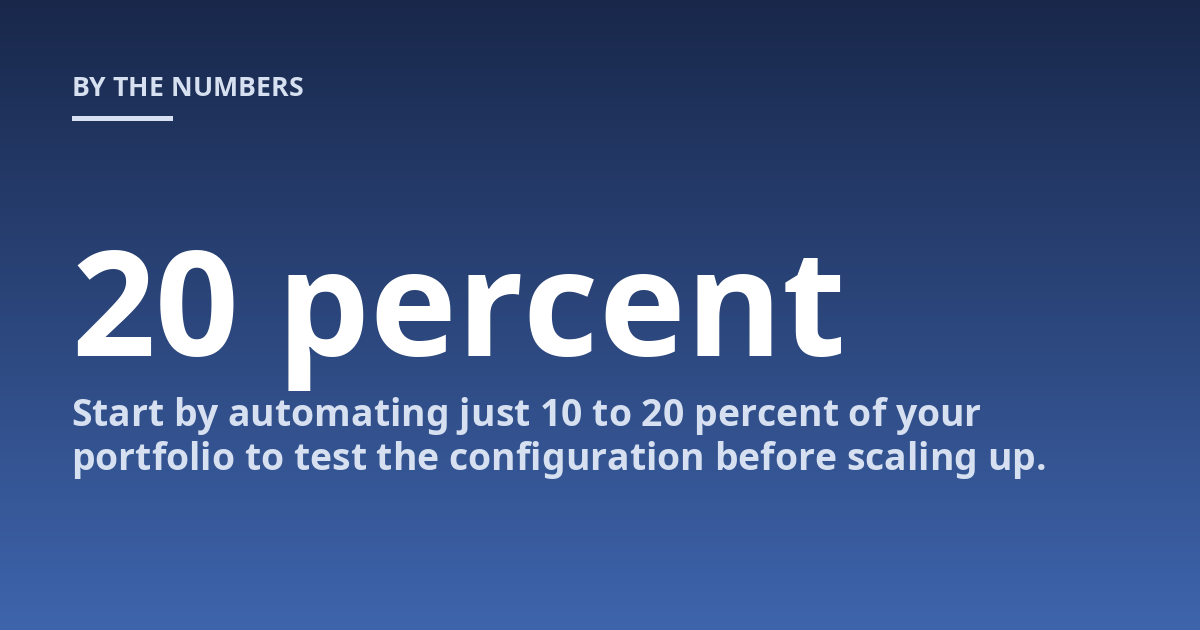
You should switch to an automated ETH bot when manual monitoring costs you more in missed opportunities than the subscription fee. If you find yourself waking up at odd hours to manage positions or consistently missing entries during volatile swings, automation solves that timing problem. Bots excel in ranging markets where grid strategies capture small repeated profits. They also help enforce discipline by executing predefined rules without emotional interference. Start by automating just 10 to 20 percent of your portfolio to test the configuration before scaling up.
Your subscription cost should never exceed the realistic edge your strategy produces.
Start with the 14-day free trial offered by B-World. Configure a single spot bot, monitor its execution against live Ethereum volatility, and calculate your net returns after exchange fees. If the math works at $99 per month, scale your deployment. If it does not, adjust your grid parameters before increasing your capital allocation.
Latest news
-

Cryptobot subscription in 2026: cost, activation and free trial
A cryptobot subscription in 2026 costs $99 per month on B-world, an automated cryptocurrency trading platform operated by Denha Nexus s.r.o. The service includes a 14-day free t…
-

ETH Trading Bot Pricing: Plan Comparison for Traders
ETH trading bot pricing typically ranges from free tiers with limited features to $99 per month for full access. Most platforms charge a flat monthly subscription rather than ta…
-

Free trading bot vs paid subscription: what the paid tier adds
The difference between a free trading bot and a paid subscription centers on capability, depth of market analysis, and customization of risk management tools. While free bots of…
-

Buy a Binance trading bot: pricing, activation and API setup
A Binance trading bot automates cryptocurrency trades by connecting to your exchange account through API keys. B-world offers AI-driven scalping and swing bots for $99 per month…