

CARF crypto tax reporting 2026: What automated bots traders must declare
CARF Crypto Tax Reporting in 2026: What Automated Traders Should Record
The Crypto-Asset Reporting Framework, or CARF, is changing how information about crypto transactions can move between service providers, tax authorities and participating jurisdictions.
Individual traders don’t file CARF reports themselves. The framework operates through Reporting Crypto-Asset Service Providers, who handle the automatic exchange of data under domestic legislation.
A trader’s own tax obligations remain governed by the rules of their tax jurisdiction.
What CARF Does
The OECD developed CARF to create a standardised system for collecting and automatically exchanging information relating to relevant crypto-asset transactions.
Its architecture includes domestic reporting rules, international exchange agreements and a technical format for transmitting information between authorities.
The OECD states that participating jurisdictions are implementing the framework on different schedules, with automatic exchanges beginning in 2027, 2028 or later depending on the jurisdiction.
Therefore, “CARF 2026” should not be described as one universal filing deadline applying directly to every crypto user worldwide.
The EU and DAC8
Within the European Union, DAC8 applies from 1 January 2026 and extends administrative tax cooperation to crypto assets.
Reporting Crypto-Asset Service Providers need to start collecting relevant data for their first reporting year now. The European Commission says reports for 2026 are due in 2027. Exchanges of that information will happen by 30 September 2027.
What Automated Traders Should Record
Automation can generate hundreds or thousands of transactions. Users should therefore retain enough information to reconstruct activity independently of the bot or exchange interface.
Useful records include transaction dates and times, asset and trading pair, quantities, acquisition and disposal values, fees, order type, deposits and withdrawals, transfers between accounts and exchange-generated trade history.
If derivatives are used, users may also need records of realised and unrealised PnL, funding payments and other product-specific charges depending on local tax rules.
Do Not Depend on the Bot as Your Only Record
A trading application can help present history and analytics, but tax records should also be exported from the relevant exchange and retained separately.
This is particularly important if an account is closed, an exchange changes its data-retention rules or access to a third-party platform is lost.
Does CARF Calculate Your Tax?
No.
Automatic exchange of information does not determine whether a transaction creates taxable income, a capital gain, a business gain or another type of taxable event.
Those classifications remain dependent on domestic law.
A service provider reporting transaction information to a tax authority does not replace the taxpayer’s responsibility to file correctly where a filing obligation exists.
B-World and Record-Keeping
B-World’s app descriptions include trade history, PnL, drawdown, performance analytics and report export among the available tools.
These tools can help users review activity, but users should retain original source records from their connected exchanges and consult a qualified tax professional when necessary.
Key Point for 2026
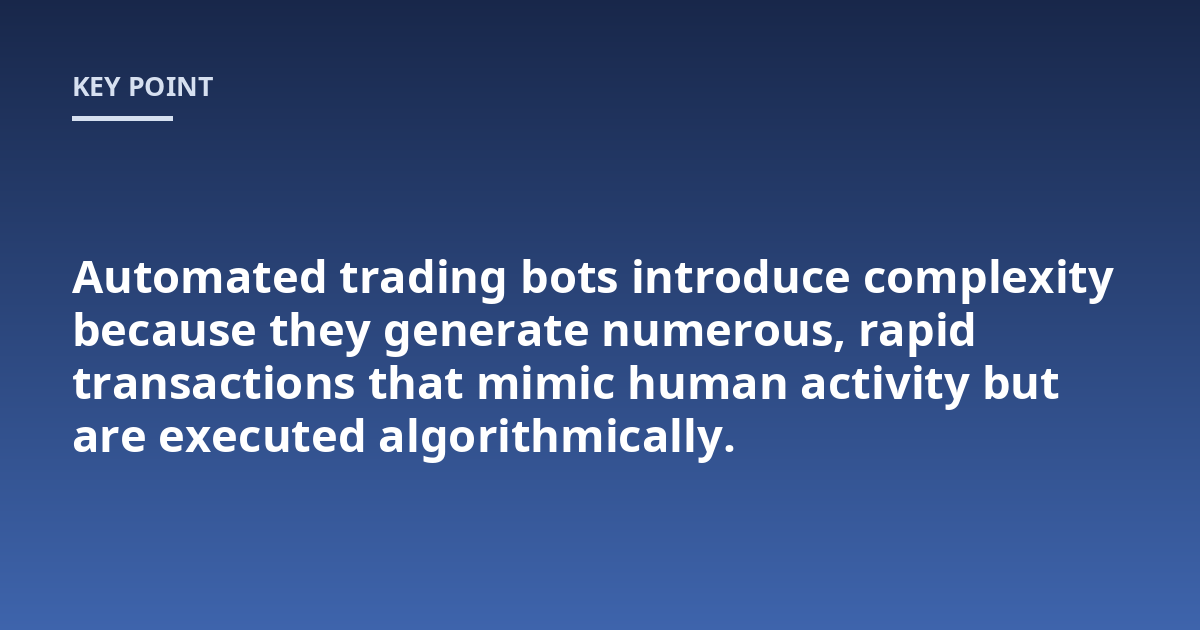
The direction of travel is toward greater tax transparency and more cross-border exchange of crypto transaction information.
The practical answer for automated traders is simple. Keep your records straight, value assets consistently, and export exchange data regularly. Don’t assume activity stays invisible just because a bot performed it.
Tax notice: B-World does not provide tax advice. Tax treatment varies by jurisdiction and individual circumstances.
Latest news
-

Cryptobot subscription in 2026: cost, activation and free trial
A cryptobot subscription in 2026 costs $99 per month on B-world, an automated cryptocurrency trading platform operated by Denha Nexus s.r.o. The service includes a 14-day free t…
-

ETH Trading Bot Pricing: Plan Comparison for Traders
ETH trading bot pricing typically ranges from free tiers with limited features to $99 per month for full access. Most platforms charge a flat monthly subscription rather than ta…
-

Free trading bot vs paid subscription: what the paid tier adds
The difference between a free trading bot and a paid subscription centers on capability, depth of market analysis, and customization of risk management tools. While free bots of…
-

Buy a Binance trading bot: pricing, activation and API setup
A Binance trading bot automates cryptocurrency trades by connecting to your exchange account through API keys. B-world offers AI-driven scalping and swing bots for $99 per month…